
A site-specific urban ant feeder, Communis Spatium, means “shared space” in Latin. Referring to area shared by humans and ants, this artwork considers the ways that people might support city dwelling ants that are suffering from “urban ant feeding syndrome.” Recently discovered by the Amy Savage Labratory at Rutgers University, this feeding issue arises when ants must subsist upon the industrial food items, such pizza crusts and leftover soda pop, dropped and discarded by humans. This shift to anthropogenic food sources leave these populations in need of healthy proteins and fats. This leads urban ant colonies to become hostile and to attack and consume other the beneficial insects in the built environment, which in turn may be having a detreminatal impact on ecosystem health in cities.
Although often unnoticed by humans, ants do important work on our behalf. They aerate the soil, are major predators of insect pests, consume food debris, and maintain healthy habitats for plants and other animals (Wilson and Holldobler 1990). Because they perform so many different kinds of ecosystem services, supporting ant diversity is an important conservation goal in cities worldwide.
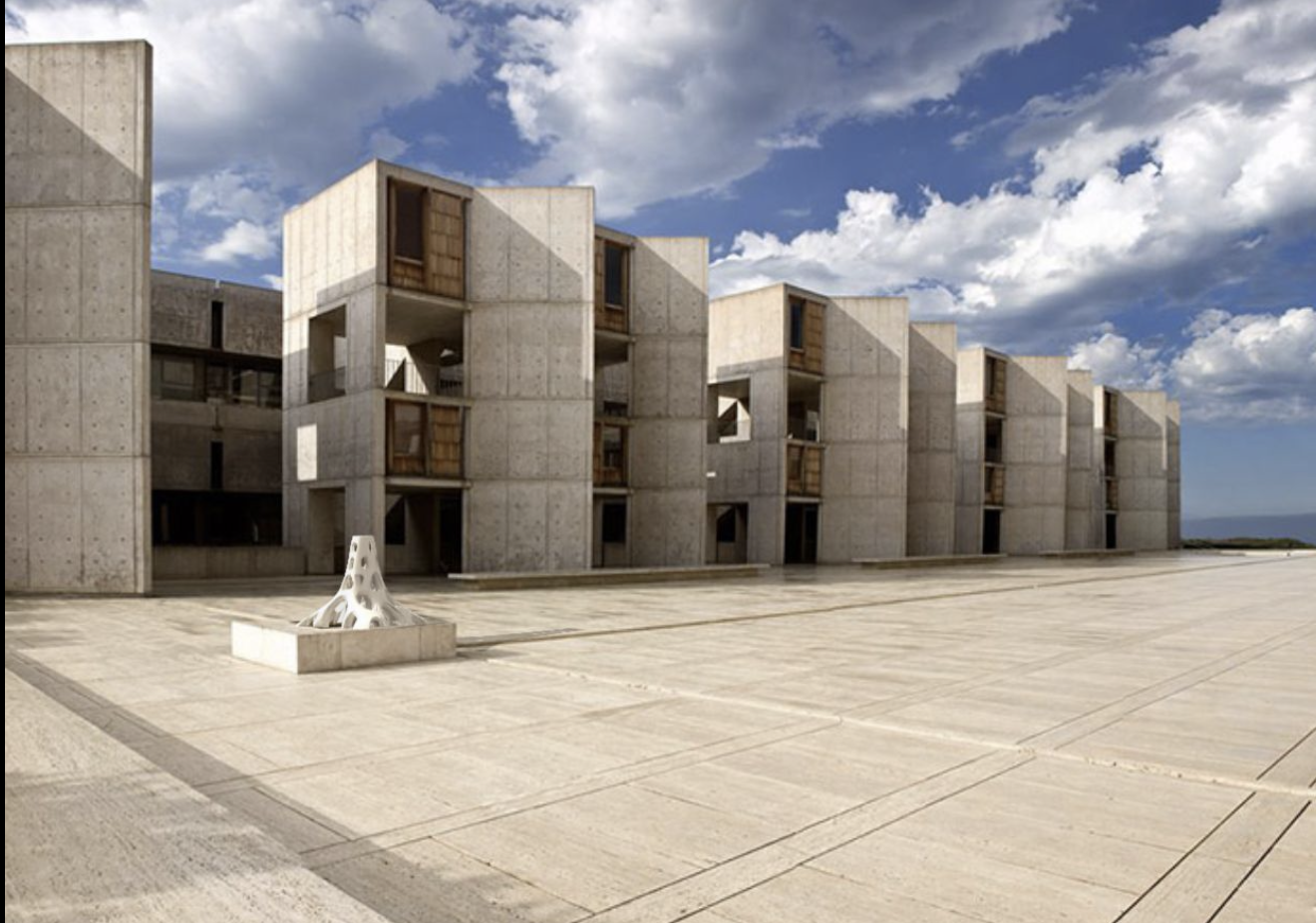
As an act of trans-species giving, Communis Spatium, consists of an enclosed ceramic ant feeder. Jar like in form, this feeding structure sits on ceramic tiles that cover, interlinked, ant-sized pathways. Allowing humans access to the feeder, while protecting the ant tunnels below, this space may be the first architecture specifically designed to be shared by ants and humans alike.
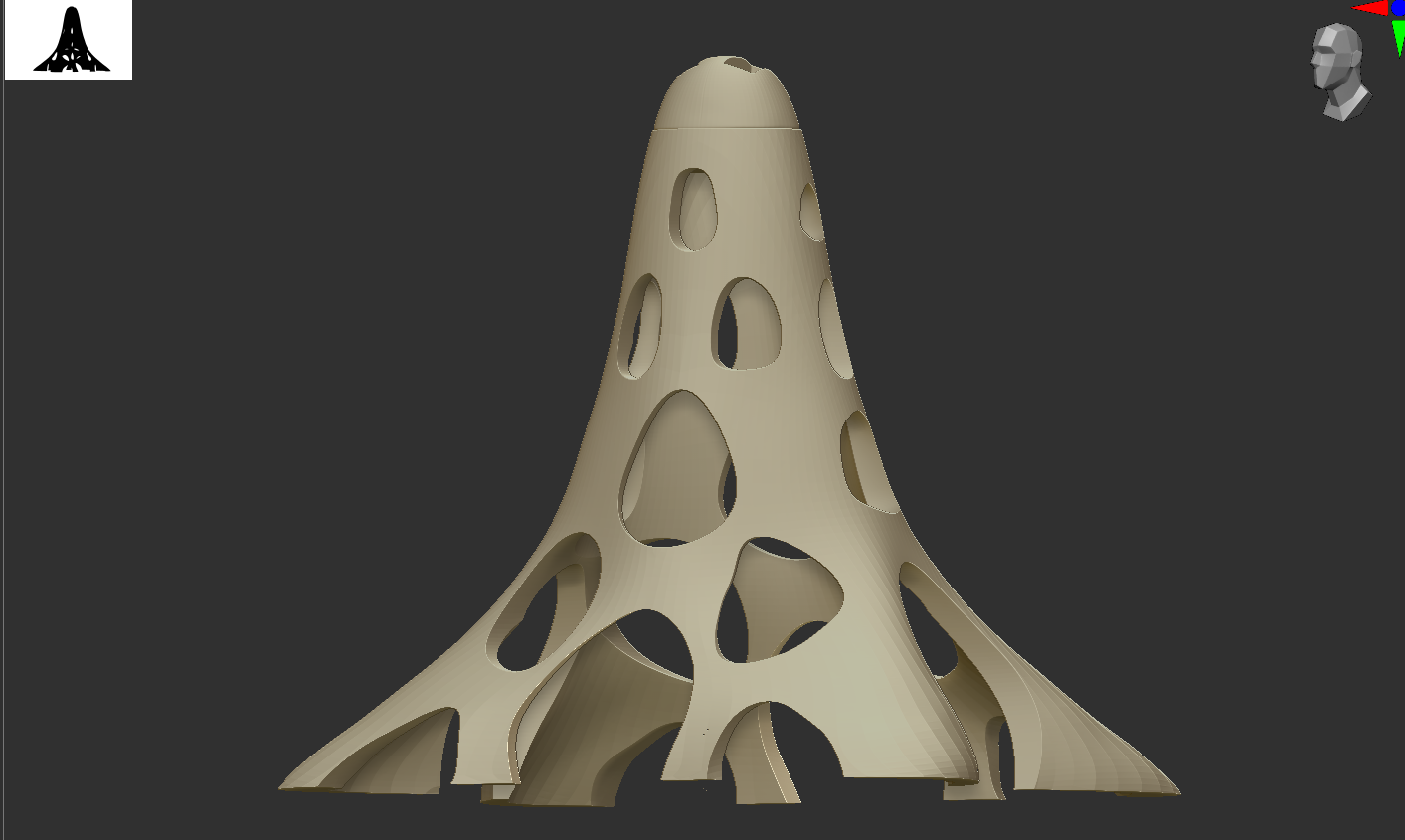
Once installed Communis Spatium, invites the surrounding community to “adopt” the local colony by feeds the ants small amounts of health food items at the top of the structure. In order to monitor the ant’s food intake, and it’s effect on the behavior of the colony, participants are asked to enter the novel food items into an Android app, especially designed for Communis Spatium called “Antsy.” At the end of each warm season, the viability and “happiness” of the colony will be determined by researchers at the Savage Lab.

 elizabethdemaray